


What does ZYN mean?
Parallel to the skyrocketing popularity of ZYN, many wonder about the meaning of ZYN. What is the origin of the word ZYN? Does ZYN mean something? Or is ZYN an acronym similar to its fellow Swedish brand, IKEA? ZYN was originally developed and commercialized by Swedish Match, which was later acquired by Philip Morris International. Swedish Match never disclosed the creative development process behind the ZYN brand. However, it is also not difficult to make an educated guess on the origins of the ZYN word.
In 2014, Swedish Match introduced its new vision: “A world without cigarettes”. The new vision represented the Company’s commitment to providing cigarette smokers with less harmful (smoke-free/less) alternatives. The same year, Swedish Match initiated a test market launch with a new non-tobacco nicotine pouch product under the brand name ZYN. The obvious question is, what is the connection between the two events? The Swedish word for vision is “syn”. We assume Swedish Match decided to modify the word “syn” as “zyn” in an attempt to disassociate it from the English word “sin” – which usually has negative connotations. In brief, we believe ZYN is a wordplay on the Swedish word for “vision,” with ZYN marking the birth of Swedish Match’s new vision in 2014.
Zyn tobacco: is ZYN a tobacco product?
Yes and No.
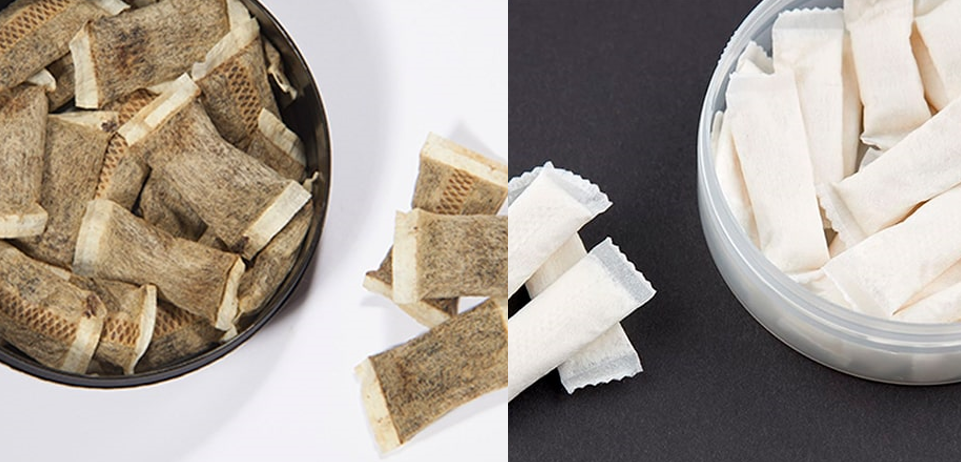
No, ZYN is not a tobacco product. ZYN is a nicotine pouch product and does not contain tobacco. Pouches that contain powdered tobacco leaves are called (Swedish) snus. Actually, nicotine pouch is a retooled snus – in which powdered tobacco (the source of nicotine and flavors in snus) is replaced with nicotine salt, flavors and microcrystalline cellulose.
Yes, ZYN is a tobacco product. ZYN is classified as a tobacco product in the USA. Section 201(rr) of the Federal Food, Drug, and Cosmetic (FD&C) Act defines tobacco product as “any product made or derived from tobacco, or containing nicotine from any source, that is intended for human consumption, including any component, part, or accessory of a tobacco product (except for raw materials other than tobacco used in manufacturing a component, part, or accessory of a tobacco product)”. As ZYN contains nicotine, it is a tobacco product and subject to the US FDA regulation. Regardless of the source of the nicotine (tobacco derived or synthetic), all nicotine pouches sold in the USA are classified and regulated as tobacco products.

What are ZYN ingredients?
ZYN nicotine pouches are made of plant fibers. The porous structure of the ZYN pouches facilitates the outflow of nicotine and flavors as the pouches are wetted by saliva. Inside the ZYN pouch, there is a white powder which contains the following ingredients:
– Nicotine salt: C10H14N2, nicotine bitartrate dihydrate, derived from tobacco leaves (- it could also be made by chemical synthesis)
– Microcrystalline cellulose: A filler used to add bulk and texture to ZYN. Think of it as a body structure (“skeleton”) to carry all other ingredients.
– Hydroxypropyl cellulose (HPC): A plant-based additive used to maintain the pouch’s integrity. It is loose binder to stabilize the form of the pouch and keep everything together.
– Acesulfame potassium (Ace K): A flavor enhancer, sweetener.
– Flavors: A blend of flavorants that forms the taste of the pouch. For instance, a mix of menthol, menthone and menthyl acetate for ZYN Peppermint. Menthone is a constituent of the essential oil of peppermint and menthyl acetate is the main constituent that contributes to the smell and flavor of peppermint.
– pH adjusters: Constituents added to help regulate the pH level of ZYN pouches. Products with a high or low pH level – too acidic or to basic (alkaline) – cause damage to gums and teeth.
Is there going to be a ZYN tax? Will ZYN be taxed?
The simple answer is Yes; there is going to be a ZYN tax. The nature of ZYN product (i.e. an addictive recreational product, competing with other nicotine products that are taxed) calls for an excise tax. However, ZYN tax will be introduced progressively over time and in an unharmonized manner across the States. Moreover, in most cases, the tax level will be significantly lower than cigarettes.
There are three taxes on nicotine products in the US: federal, state and local. Federal and states taxes on tobacco (nicotine) products are ubiquitous; however, local taxes are rather rare. For example, on a pack of 20 cigarettes sold in New York City, the federal government levies US$1 tax, New York State levies US$5.35 tax and New York City levies an additional US$1.50 tax.
We don’t expect the Trump Administration to introduce a federal tax on nicotine pouches. However, the States will introduce excise taxes as the nicotine pouches become large enough to start eating into the tax collected from tobacco. For instance, Nebraska, Minnesota and Maine already modified their tax codes to introduce a levy on ZYN and other nicotine pouches. See Taxation: Nicotine Pouches for further details.
Does ZYN give hiccups?
ZYN may give you hiccups. However, this not a phenomenon specific to ZYN. “Nicotine hiccups”, or “niccups”, are frequently reported by both vapers and nicotine pouch users. According to the U.S. Food and Drug Administration (FDA)’s adverse-event reporting system (FAERS), nicotine use is associated with hiccups. Anecdotal evidence shows that many nicotine users can relate to this condition.
Nicotine intake causes the brain and nervous system to release dopamine, a neurotransmitter that is often called the “happy hormone”. Dopamine plays a role in regulating the phrenic nerve, which controls breathing in the diaphragm, and a disturbance in the process can cause hiccups. Moreover, nicotine can also irritate the mucus membrane that aligns the throat and esophagus, which can lead to hiccups. Finally, nicotine can also stimulate stomach acid production and can cause reflux, triggering hiccups. All in all, ZYN hiccups (“Zyncups”) is a common condition.
What’s the difference between moist (wet) and dry nicotine pouches?
The main difference between the moist and dry nicotine pouches is the moisture level. Both dry and moist nicotine pouches contain nicotine, flavors, and other additives; however, moist nicotine pouches have water (in vapor form) added as an ingredient in the manufacturing process. Some consumers may like the moist pouches which tend to have faster nicotine and flavor release, while others may prefer the dry pouches for an extended (slower) experience.
Can I swallow my saliva when using Zyns (nicotine pouches)?
Yes. Users don’t have to spit out their saliva while using nicotine pouches. Unlike chewing or dip tobacco, there is no spitting involved while using Zyns. Nicotine pouches are primarily intended to be placed under the upper lip and, thereby, their consumption should not increase the saliva production. However, users obviously should not swallow the ZYN pouches.

When an user places a nicotine pouch in his mouth, the nicotine and flavors are absorbed through the oral mucosa – the mucous membrane lining inside the mouth, which includes the cheeks and lips.

