


Key Highlights
– On track to meet FY23 guidance
– Disappointing US combustibles performance: but, the volume share has grown sequentially since the start of the year
– Underwhelming start to 2023 by glo: but, the recent momentum is more encouraging
– 900k more non-combustible consumers in Q1: on track to deliver £5bn revenue ambition in 2025, with profitability in 2024
Combustibles: Cigarette volume share up +10 bps and value share down -40 bps, mainly due to the implementation of commercial plans in the US
The US Market: Early signs of stabilization in the premium segment. LT impact of the flavor ban in California remains difficult to assess: menthol products still sold illicitly due to lack of enforcement and elevated flavored volume in surrounding states. FY volume performance to be H2 weighted due to the H1 volume impact of SAP-related inventory phasing
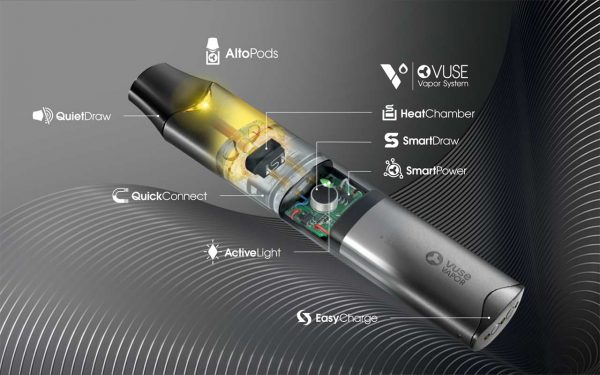

E-vapor (Vuse): Extended global leadership: value share up +2.8 ppts, reaching 38.8% in key markets, driven by extended US volume/value share. Responsible approach to disposables: Vuse Go is now available in 40 markets. Launches in Emerging Markets, including Colombia and Peru
Heated tobacco (glo): Performance improvement after a disappointing Q1. Category volume share down -1.1 ppts to 18.2% in key markets. Continued momentum in some key European markets offset by the highly competitive markets in Japan & Italy. Launched glo Hyper Air platform in 4 key European markets with further roll-outs planned for H2
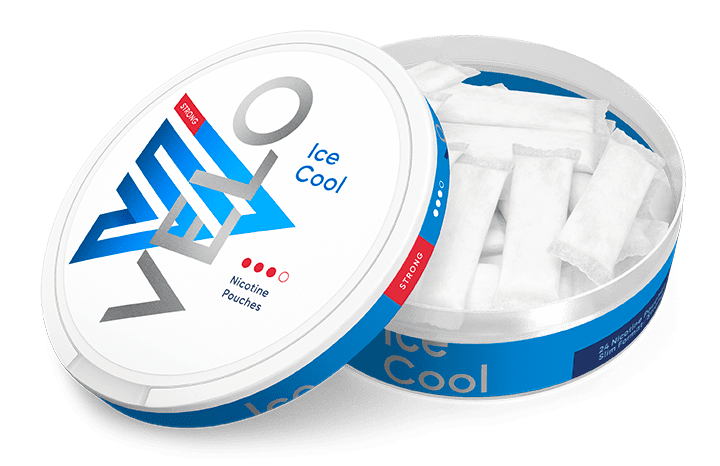
Modern oral nicotine (Velo): Volume share leader in 15 European market. Volume share of Total Oral up +70 bps. Volume share of Modern Oral down -1.8 ppts (to 28.5%) in key markets mainly driven by the US. Emerging Markets: Pakistan growth continues, national roll-out in Kenya
FY23 guidance
– Global industry volume: down ~3% (before: -2%; mainly due to the surge in illicit trade in Pakistan, following the large excise tax increase)
– Organic revenue growth: 3-5% (H2 weighted)
– EPS growth: mid-single digit
– FX impact: 4% tailwind on H1 EPS growth and -1% headwind on FY EPS growth (before: -2% FX headwind on FY EPS)
– Operating cash flow conversion in excess of 90%
About the CEO departure
No single event that led to the Board’s decision. Board decided that it was time to have a change in the leadership to better adapt to the fast changing environment. It was executed quickly to avoid any disruption to the business
About the share buybacks
Buybacks are put on hold because of
– A credit rating agency putting BAT on negative outlook as the buybacks were announced last year
– Increasing interest rates
– Negotiations with DOJ (violation of sanctions in North Korea)
– Transfer of Russian business and the cash trapped there
The aim is to restart buybacks in a sustainable manner (- presumably once the net debt/EBITDA ratio is 2.5 or less)
About the ITC stake
No fresh revelations: The Board is regularly assessing the ITC stake. There are immense legal and regulatory hurdles in India (e.g. foreign direct investment in cigarette manufacturing is prohibited). It is not straight-forward to monetize the ITC stake. However, India also presents a massive opportunity – especially, in the (modern) oral tobacco/nicotine category
Our takeaway
It is a good start for the new CEO: he admitted the burning issues openly, rather than trying to paint a rosy picture (unlike his predecessor). Also, on the day of Trading Update, he committed to the stock performance with his own money: regardless of the amount purchased, we like the symbolic gesture.
BAT share price is in a declining channel, searching a bottom. In our last update, we noted that BAT is likely to print new 52-week lows after the sudden departure of its CEO – as the market prices in an unknown/big governance risk, in addition to the US market risks. Two weeks after, BAT shares traded as low as $31.6 ($bti) and £25.4 ($bats). Is the low in? Difficult to say, but we are close.
Some moderation in the US cigarette market decline and re-emergence of “rotation to value” trade could help BTI seal a bottom in the coming weeks. As the bottom is formed, we expect BTI to trade in a range (high 30s & low 40s) until the fundamentals improve. Stabilization in the US market (including more regulatory clarity) coupled with NGP/RRPs turning profit (plus improving HnB SoM) could help BAT partially close the valuation gap vis-a-vis the arch-rival, PMI, and could eventually lead BTI higher in 2024 and beyond. We are cautiously optimistic.

